Pole Barn vs. Traditional Framing: Cost, Speed, and Use Cases for Small Farms
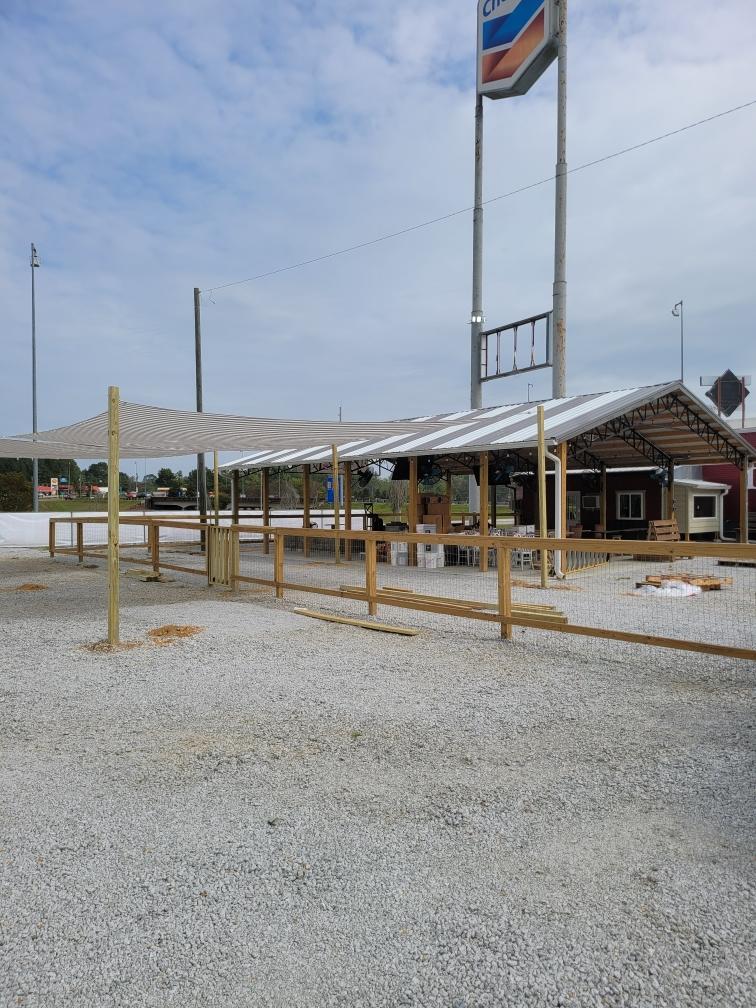
If you run a small farm in Oxford, AL, you have two popular paths for your next barn or storage building: a modern pole barn or a stick‑framed structure. Both can be strong and long-lasting when built right. The best choice depends on how fast you want to build, how you plan to use the space, and what materials fit your budget range. To learn how today’s methods work and what to expect on site, see our overview of pole barn construction and use this guide to compare options for your property.
Across Calhoun and Talladega counties, farms from Choccolocco to Coldwater are choosing buildings that fit Alabama’s warm summers, heavy rains, and occasional strong winds. If you are weighing options for equipment storage, hay, animals, or a farm workshop, understanding how these systems go together will help you plan the right foundation, frame, and finish. You can also explore related structures on our structure building page for more ideas.
What “Pole Barns” Mean For Oxford, AL Small Farms
A pole barn uses embedded posts and widely spaced roof trusses to carry loads. The walls are not load-bearing, which gives you a clear, open interior for tractors, side‑by‑sides, or a small trailer. Exterior siding is often metal, though wood and other claddings are possible. Traditional framing, sometimes called stick framing, relies on a continuous foundation and closely spaced wall studs that carry the load to the ground.
On red clay and mixed soils common around Oxford Lake and DeArmanville, the post‑frame approach reduces excavation and concrete. That can shorten timelines and simplify site logistics, especially when space is tight for material staging. Traditional framing still shines when you want a fully finished interior with lots of partition walls, built‑ins, or complex rooflines.
Speed And Disruption: How Quickly Can You Build
Most small farms value a fast, predictable build. Pole barns often go up faster because they require fewer framing members and less concrete work. Crews can set posts, install trusses, and dry‑in the roof quickly, which limits how long heavy equipment sits on your pasture or driveway.
- Pole barn timeline: streamlined steps limit site disruption and help you reach the “dry” stage sooner.
- Traditional framing timeline: more parts and more foundation work mean more deliveries, cutting, and fastening on-site.
Weather also matters. Afternoon pop‑up storms in late spring can slow exterior work. With fewer steps, a pole barn can often dodge short delays and still finish on schedule, while a stick‑framed build may need more dry days to hit milestones.
Cost Drivers Without Exact Prices: What Affects Your Budget
Every project is unique, so final investment varies by size, materials, finish level, and season. Instead of numbers, think in terms of drivers. Pole barns can reduce foundation concrete and labor hours. Traditional framing may require more lumber and time, but it can simplify adding dense insulation, interior drywall, and built‑ins.
- Foundation choice and soil conditions after a site visit
- Exterior cladding, roof panel gauge, and trim package
- Door and window selections, including overhead and sliding doors
- Interior finish level, from open storage to insulated rooms
- Seasonal scheduling, material lead times, and crew availability
If you are focused on the fastest path to weather protection for equipment, pole barns often offer an advantage in speed and site efficiency. If you want a highly finished interior from day one, a traditional frame can align well with that plan.
Durability And Weather Fit For Calhoun County
Alabama heat, humidity, and storm seasons call for smart details. With either system, the key is proper engineering, fastening, and water management. For pole barns, uplift connectors, post treatment, and roof diaphragm strength deserve attention. For stick‑framed builds, continuous load paths and robust sheathing patterns make the difference.
Choose treated posts rated for ground contact and specify proper uplift protection so wind does not work under the roof during spring storms. Good gutters and downspouts move water away from walls and door openings. Proper grading keeps slab edges dry and reduces splashback on metal panels.
Space Planning: Real Use Cases For Hobby Farms
Clear‑span interiors are a major reason small farms pick pole barns. With posts carrying the load, you can park a compact tractor, zero‑turn mower, and small livestock trailer without interior walls in the way. Need a tack corner, feed storage, or a small wash bay later? Those can be added along the perimeter or under lean‑tos.
Traditional framing can make sense when you want multiple conditioned rooms from the start, like an office, finished workshop, and storage under one roof. The stud wall layout makes wiring and drywall straightforward. Either way, plan your doors around your tallest machine. Plan door height around your tallest equipment so you never fight clearances when you upgrade tractors or add a canopy.
Site Prep On Alabama Clay And Mixed Soils
Our region’s red clay holds water and can heave when saturated. That makes compaction, drainage, and base stone important. With pole barns, setting posts in properly sized holes with the right backfill and uplift protection is critical. For stick framing, a uniform base and consistent subgrade support the continuous foundation or slab.
Think about how trucks will reach your site from Leon Smith Parkway or McIntosh Road. A simple delivery path shortens build time and keeps your yard in better shape. Good access also helps later when you bring in round bales or seed pallets.
Materials And Maintenance: Metal, Wood, And Fasteners
Metal roof and wall panels are popular for pole barns because they are light, strong, and quick to install. Thicker panels and quality fasteners hold color and resist corrosion better over time. Wood siding offers a different look and can pair well with a traditional frame when you want a farmhouse style. No matter the system, specify trims and closures that seal edges against wind‑driven rain.
Add proper ventilation for hay and animals to manage humidity, reduce condensation on metal roofing, and keep the air fresh in summer. Ridge vents, gable vents, and screened openings help without complicating the structure.
When Traditional Framing Still Wins
Pick traditional framing if you want heavy interior finishes, thick wall insulation, and lots of built‑ins from day one. It can also suit unique architecture, dormers, and complex roof shapes. If you plan to heat and cool most of the building regularly and finish every wall and ceiling surface, stick framing provides familiar pathways for trades.
Future Flexibility And Add‑Ons
Pole barns make adding lean‑tos, overhangs, and additional bays straightforward because the main frame is modular. Many owners start with a core footprint for equipment storage and add a side shed later for a small workshop or goat shelter. Traditional framing can also expand, but tying into the continuous foundation and load‑bearing walls usually takes more planning.
Local Weather Timing And Scheduling
In Oxford, late fall and early winter often bring more workable days than the spring storm pattern. That can shorten the time your site stays open. Schedule builds away from peak storm season when possible so crews can make steady progress and protect materials more easily. If you already own land in Bynum, Anniston, or Lincoln, plan staging areas that stay firm after rain so deliveries keep rolling.
Common Mistakes To Avoid On Small Farms
Skipping soil prep and drainage leads to ruts and muddy approaches, which makes daily chores harder. Under‑sized door openings are another headache when you upgrade equipment. Skimpy ventilation raises heat and humidity inside and can shorten material life. Finally, choosing finishes without thinking about animals can result in surfaces that are hard to clean or that rust prematurely.
Pole Barns vs. Traditional Framing: Quick Comparison
- Speed: pole barns often reach “dry‑in” faster; stick builds involve more steps.
- Site work: pole barns reduce excavation and concrete; stick-built builds need continuous foundations.
- Interior: pole barns excel at open bays; stick builds suit heavy finishes and many rooms.
- Upgrades: pole barns make lean‑tos and bay additions simple; stick builds take more integration.
- Weather fit: both can be engineered to handle local wind and rain when detailed correctly.
How To Decide on Your Oxford, AL Property
Start with your main use case: equipment storage, hay, small livestock, or a combined shop. Map turning paths from your driveway and measure door openings against your tallest piece of equipment. Consider whether you want to finish interiors now or later. If you want a fast shelter with a clean, open bay, a pole barn is a strong fit. If you want multiple rooms and heavy interior finishes ready on day one, a traditional frame may serve you better.
For more planning ideas, scan our recent building tips and note which details match your site. You can also review our pole barn construction page for how posts, trusses, and metal panels work together on small farms.
Local Examples And Scenarios
Hobby farm near Oxford Lake: a three‑bay pole barn with one tall center bay for a compact tractor and two side bays for mowers and tools. Later, the owner adds a lean‑to for hay storage and a small tack corner. Farm outside Choccolocco: a stick‑framed barn with insulated workshop space for repairs and a separate room for seed and chemicals, all under one roof with continuous interior finishes.
If you travel gravel county roads often, think about dust and splashback. Metal siding with good base trim makes cleanup easier. If your site is shaded and stays damp, a stronger roof coating and extra airflow can help panels dry faster after summer rains.
Who To Call And What To Ask
When you speak with a builder, ask about engineering for uplift, post-treatment levels, roof panel gauge, and fastening schedules. Request a plan for water management, including gutters, downspouts, and grading. Make sure door sizes match your tallest and widest equipment today and allow for future upgrades. Finally, verify timelines for material delivery and build sequence so you can plan fieldwork around the schedule.
To see the range of services we offer beyond barns and sheds, browse our structure building category. If you want to learn more about pole barns in Oxford, AL, from a local team, we are ready to help you compare options for your property.
Ready To Build With A Local Team
Whether you are in Oxford, Anniston, or Munford, Simpson Superior Structures designs and builds structures that fit small farm life and Alabama weather. Tell us what you store, how you work, and which upgrades you want later, and we will guide you to the right path. When you are ready, call us at 256-452-4688 or start a conversation about how we can build a pole barn that serves you for years to come.
Let's Build Together! Contact Simpson Superior Structures LLC Today!