Pole Barn Shops & Garages: Layout Ideas, Door Sizes, and Electrical Planning
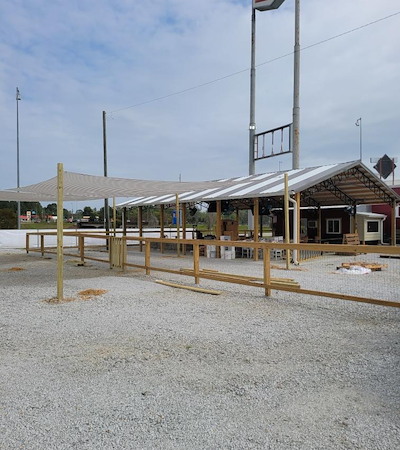
Designing a pole barn shop in Oxford, AL starts with a clear plan for how you work, what you store, and how your site handles weather. The right layout improves safety and saves time every week. If you want a pro-built structure that fits your tools, vehicles, and future plans, explore pole barn construction options that can be tailored to your property and workflow.
In this guide, you’ll learn how to map your shop workflow, choose door sizes that fit your gear, plan efficient electrical and lighting, and account for local climate. We’ll also cover smart lean-to add-ons and when it’s wise to call in the team at Simpson Superior Structures LLC for a turnkey build.
Plan Your Shop Workflow and Layout
Start by listing what happens in the shop on a typical week. Think through arrivals, heavy work, clean work, and storage. Then assign a home to each activity. This creates short travel paths and fewer bottlenecks, which makes the shop easier to use every day.
- Vehicle bay: park, unload, and stage large items near the main doors
- Dirty zone: cutting, grinding, or lawn equipment service kept away from finished storage
- Clean bench: small repairs, assembly, and charging stations for batteries
- Vertical storage: wall-mounted racks for rakes, hoses, and extension cords
- Overhead storage: seasonal totes over the clean bench or along the back wall
Lay out aisles wide enough for your widest item to move without shuffling. Keep a clear, marked path from doors to benches so vehicles and people never compete for the same space. If you work on a mower in the morning and a truck in the afternoon, keep the mower service corner close to outdoor access. Place the quiet, clean bench deeper in the building to reduce dust on sensitive tools.
When you want to see all structure types and sizes in one place, browse the broader structure building page for styles that can be adapted to your shop workflow. If you started with a small building and need more capacity, you can plan step-by-step expansions that protect your investment.
Door Sizes and Opening Types That Fit Your Gear
Door choice affects how you use the shop more than almost any other decision. Many homeowners choose overhead doors for daily vehicle use and sliding doors for wide equipment openings. For typical pickups and SUVs, people often choose single overhead doors in the 9–12 foot width range. Taller openings help if you have roof racks, a lifted truck, or a boat on a trailer. For tractors, side-by-sides, or small RVs, a wide sliding door can make loading and unloading smoother.
Measure vehicles and trailers with racks, mirrors, and attachments in place before you commit to a door size. Add comfortable clearance on both sides and above so you can back in without second-guessing. If your driveway approach is curved or sloped, consider a wider opening to give yourself room to line up. A second rear or side door can turn your shop into an efficient pull-through bay that reduces backing and tight turns.
- Overhead doors: good for daily use, quick to open, seal well
- Sliding doors: great for extra width, simple hardware, less ceiling interference
- Man doors: place near the clean bench or tool room for easy in-and-out
Windows in or beside the door bring in daylight and help you see pedestrians or pets before you move a vehicle. If you plan to add a lift later, check the lift’s height requirements and make sure door tracks, lighting, and any overhead storage won’t interfere.
Electrical Planning for Safe, Efficient Work
A dependable electrical plan keeps your tools ready and your shop comfortable. List the equipment you use now and what you may add in the next few years. Compressors, welders, lift motors, and air filtration often need dedicated circuits and proper locations to limit noise and vibration. Place outlets at bench height around the clean zone and lower outlets in the dirty zone to keep cords off the work surface.
Good lighting reduces eye strain and improves accuracy. Bright, high-CRI LED fixtures make small parts easier to see and start more reliably in cool weather. Supplement overhead lights with task lights over benches and a few low-glare fixtures near doors. Motion sensors near entries are handy when your hands are full. Hire a licensed electrician to size circuits, place the panel, and install grounding and GFCI/AFCI protection where needed. That protects your tools, your building, and your family.
If you plan to condition the space, note where a mini-split or ceiling fans might fit without blocking storage. Keep power and low-voltage lines organized in labeled conduit or surface-mount raceways so you can trace them later. Leave room near the panel for future breakers and plan a cable tray or high shelf to route cords safely across bays.
Smart Lean-To Add-Ons and Storage
Lean-to add-ons are simple ways to expand storage without disrupting your core shop. A covered lean-to along the side can hold firewood, yard equipment, or a boat, freeing the interior for clean work. If your property allows, a front lean-to can double as an outdoor work porch where you stage materials on dry days. Placing the lean-to near the dirty zone supports a smooth shop workflow by keeping messy tasks out of the main bay.
Think through water runoff and how you’ll move from the lean-to into the shop. Add a gravel or concrete pad to reduce mud in rainy spells. Shelving or enclosed lockers under the lean-to protect oil, blades, and small parts while keeping fumes and odors outside the main workspace. When planned with the original build, lean-to add-ons also make future door upgrades easier by shifting storage to the exterior.
Climate and Site Considerations in Oxford, AL
Oxford’s warm summers and mild winters call for ventilation and moisture control. Ridge vents, soffit vents, and wall louvers help move hot air out. Dehumidification or a conditioned office nook can protect sensitive tools and keep finishes consistent. Site drainage is important after heavy thunderstorms, so a slight pad elevation and well-placed gutters keep water away from the posts and slab.
Consider sun exposure as you place doors and windows. Morning light from the east is helpful at the bench, while a west-facing wall can heat up in late afternoon. Trees provide shade, but watch for falling limbs during storms. Anchor connections and uplift protection should be engineered for local wind patterns so doors stay secure and the building stays tight when weather rolls through Choccolocco, DeArmanville, or along Coldwater Road.
As your plans evolve, keep your options open. If your family grows or hobbies change, you may want a second bay or a longer lean-to. Many homeowners review examples for high-quality sheds in Oxford, AL, to get ideas on door placement, light levels, and storage that fit our local terrain and weather.
Floor Plan Examples That Work
Every property is different, but a few layouts consistently perform well. A two-bay plan with an offset clean bench keeps dust away from assembly and charging. Place the compressor and lawn tools against the downwind wall, close to the exterior, where they are easy to roll out for service. A single-bay plan with a rear overhead or sliding door creates a straight pull-through path that saves time with trailers. If you plan to be back in a boat, give yourself extra apron outside and keep the first 6–8 feet of interior wall clear for turning clearance and fender swing.
Storage height is your friend. Tall shelving with labeled totes beats floor stacks every time. Overhead racks above the bench can hold long items like PVC, conduit, or trim. Reserve your best wall space for the tools you reach for daily, not for rarely used gear. That small habit keeps your main tasks fast and fun year-round.
Safety and Convenience Details You’ll Appreciate
Small upgrades make a big difference over time. Install a sweep or threshold at man doors to keep leaves and dust out. Add a boot tray and a simple handwash station to protect floors and finishes. Store fuel and chemicals in a ventilated cabinet away from ignition sources. Fire extinguishers should be visible and mounted near exits. A bright-painted line on the floor marks safe walking areas when vehicles are parked.
For convenience, plan a charging shelf with dedicated outlets so batteries are ready without cords draped across the bench. Label storage bins and keep fasteners in divided organizers. When guests help, they can find what they need and put it back in the right place. Good habits are easier when the shop is set up to support them.
From Shed To Shop: When You Need a Pro
Many projects start with a simple shed and grow into a working shop as needs expand. If you’re comparing builders, look for experience with post-frame engineering, door hardware, finished interiors, and lean-to add-ons. A local shed building company that also crafts post-frame shops can coordinate doors, windows, and electrical rough-ins so everything lines up from day one.
Simpson Superior Structures LLC can help you plan a clean, efficient layout that reflects how you actually work. You bring the list of tools and vehicles. We’ll bring options for doors, light levels, and storage, along with durable finishes that stand up to our climate. For quick answers, call 256-452-4688 and tell us how you want your shop to flow.
Ready To Design Your Pole Barn Shop?
If you’re ready to turn sketches into a real plan, review the build process and customization choices on our page for custom pole barn shop projects. We’ll help you pick the right openings, lay out safe electrical, and size lean-to add-ons that make daily life easier. When you want a proven team in Oxford, AL, explore structure building options and see which footprint suits your property now and in the future. Then connect with Simpson Superior Structures LLC to schedule a site visit and finalize your design.

Let's Build Together! Contact Simpson Superior Structures LLC Today!